Signs Your Door Knob Lock Needs Replacement — Not Just a Repair
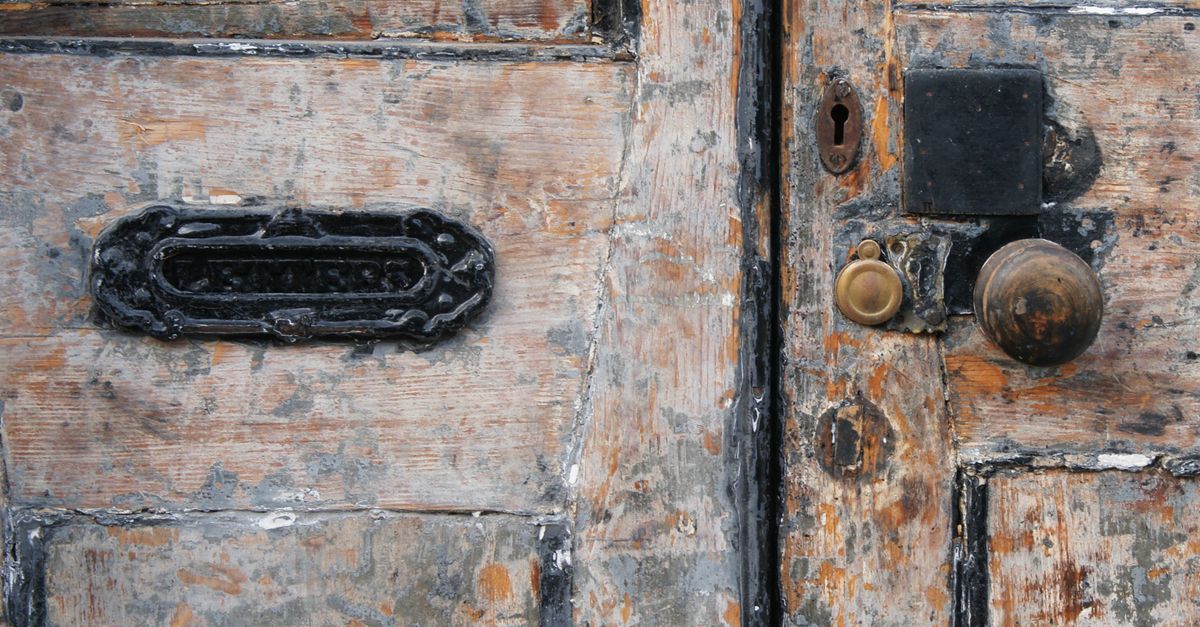
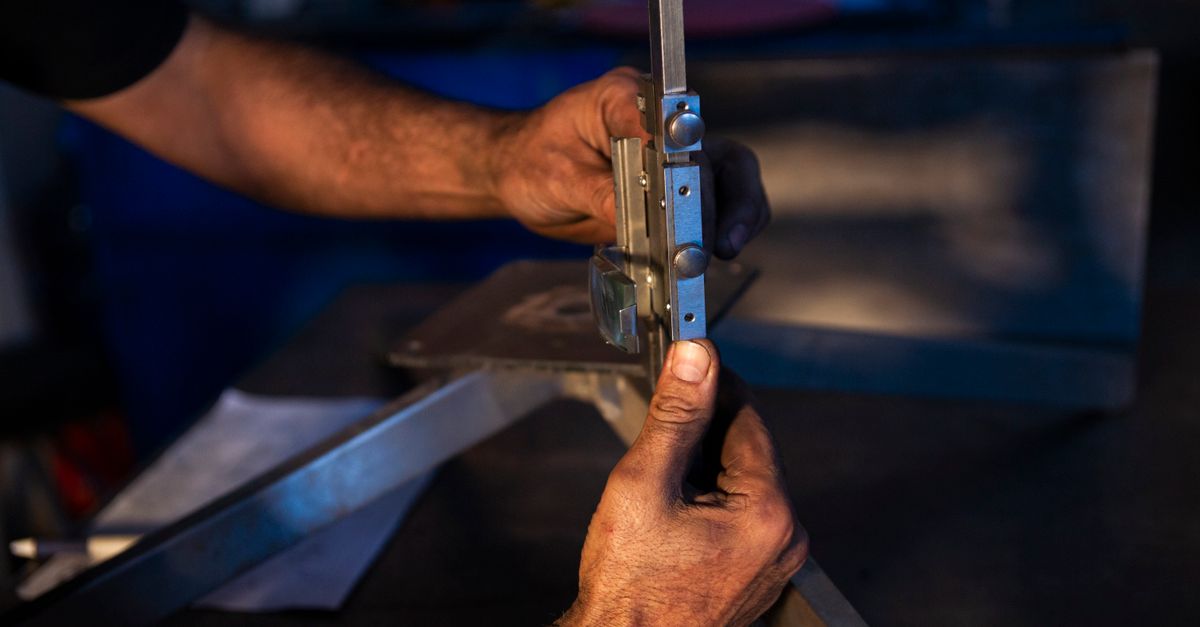
A loose knob is easy to dismiss, but the mechanics inside a knob lock are surprisingly unforgiving. Once the spring-loaded latch begins to drag, the spindle starts to wobble, or the keyed cylinder feels gritty and stiff, you're looking at progressive failure — not a one-time quirk. Common red flags include a knob that turns without retracting the latch, a lock that accepts the key but won't turn it, visible corrosion around the face plate, or a door that has been forced and is now misaligned. In older homes near Riverview Pointe or along the historic corridors of downtown Bradenton, original hardware is often decades past its rated cycle life and is simply worn out.
Interior handle sets fail for different reasons than exterior knob locks. Bedroom and bathroom privacy knobs take thousands of push-and-turn cycles every year, and the small plastic or zinc components inside cheap hardware crack under that load. When a door knob with lock for bedroom use stops holding a privacy function — meaning the push-button or turn-snib no longer holds — that's a safety issue in a home with children or anyone who needs genuine privacy. Rather than re-keying or lubricating a knob that has reached end-of-life, a full replacement is the more cost-effective and reliable long-term solution.