Why Keys Snap — and What Happens Inside a Mortise Lock
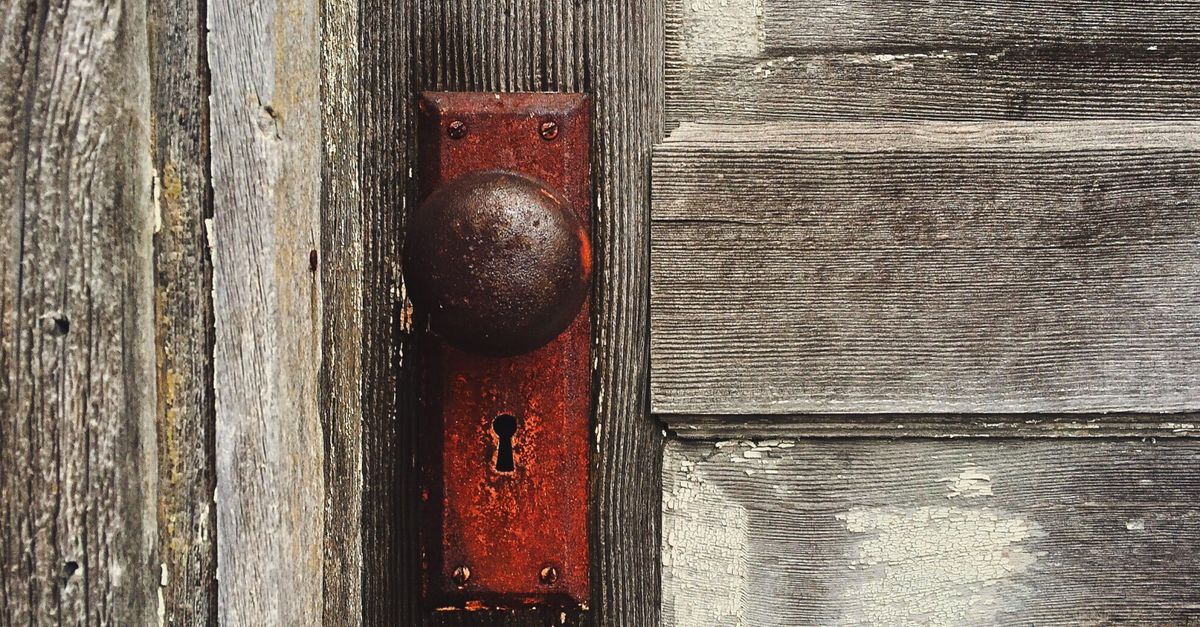
Keys break for predictable reasons: metal fatigue from years of heavy use, a lock cylinder that hasn't been lubricated and fights every turn, an icy or swollen door that puts sideways stress on the blade, or simply inserting a worn key at the wrong angle with a bit too much force. The break almost always happens at the bow-to-blade shoulder — the narrowest point — and the fragment slides or springs further into the keyway, often past the first tumbler pin. In a standard deadbolt that's frustrating; in a mortise lock it can be genuinely complex. Mortise lock cylinders sit recessed inside a deep mortise pocket in the door edge, meaning the keyway is longer, the fragment travels farther, and the clearance for extraction tools is tighter. Our technicians are specifically trained in mortise lock mechanics and carry the slim extractor picks and plug followers sized for these cylinders, so the job is handled correctly rather than forced.
When a key breaks inside any lock, the instinctive move — reaching for tweezers, a bobby pin, or a flathead screwdriver — usually makes things worse. Household tools can push the fragment deeper, score the cylinder walls, or dislodge the tumbler springs entirely. The safest step is to stop, leave the fragment undisturbed, and call a skilled professional. Our team will assess the cylinder first, confirm whether the lock can be saved or needs replacement, and walk you through exactly what the job involves before touching anything.