Why Storefront Door Hardware Demands a Specialist Commercial Locksmith
Commercial glass storefront doors operate on an entirely different mechanical platform than residential entry doors. A typical residential knob or deadbolt mounts into a simple bored hole, but a storefront door mortise lock sits inside a precisely machined pocket milled into the door's aluminum stile. Inside that pocket lives a multi-function cassette: a latch bolt, a deadbolt, a cylinder cam, and often a thumbturn assembly — all coordinated by internal levers that must align perfectly or the door simply will not function. Misdiagnose the failure point and you risk damaging an expensive lock body or cracking a glass panel. Our technicians have spent decades working specifically on mortise lock door hardware in commercial settings, which means they arrive knowing the common failure modes before they even open their toolkit.
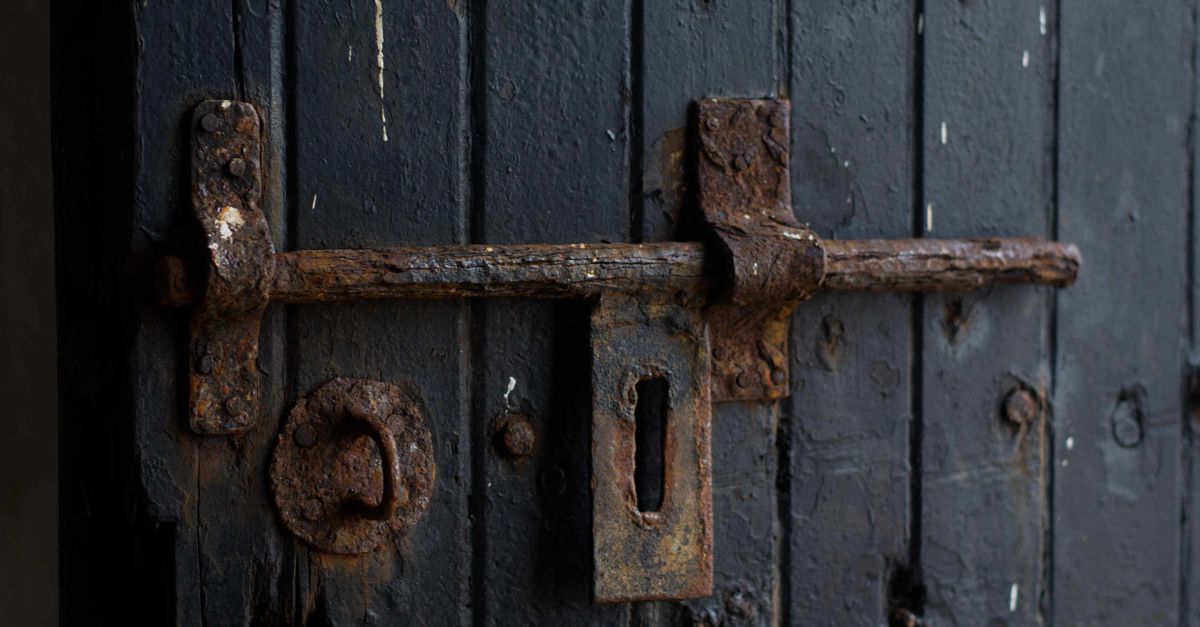
Rim lock door hardware — the surface-mounted deadbolts and latch assemblies common on older aluminum storefront frames — presents its own set of challenges. Because rim hardware is exposed on the interior face of the door, it is vulnerable to tampering, wear at the strike interface, and misalignment when frames shift seasonally. Bradenton's climate accelerates every one of these issues: summer heat expands aluminum frames by measurable amounts, and the brief but intense rain events that roll in off Tampa Bay introduce moisture that oxidizes internal springs and corrodes cylinder pins. We factor all of this in when we evaluate your door hardware and recommend a solution built to last in this specific environment.