How Modern Car Key Replacement Actually Works — Cut, Clone, and Program
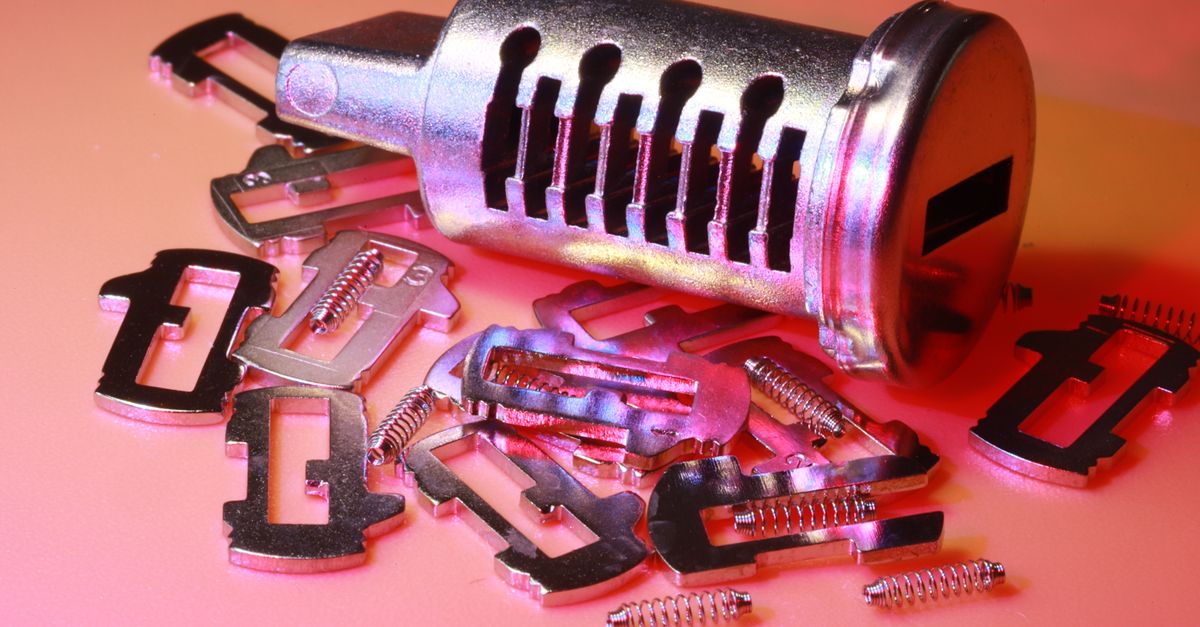
Modern vehicle keys are not simply mechanical devices — they are paired electronic components. When you request a car key replacement today, the process typically involves three distinct phases: cutting the physical blade to match your door and ignition lock, programming the transponder chip (or proximity fob) to communicate with your vehicle's immobilizer system, and in many cases, syncing a remote head to your car's body control module. Skipping or shortcutting any one of these phases means you'll have a key that either won't start the car or won't unlock the doors — or both. Our technicians carry commercial-grade key-cutting machines and OBD-II programming devices capable of handling the vast majority of makes on the road in Florida today.
The level of complexity — and therefore the factors that go into your final price — varies significantly by vehicle. A 2005 Toyota Camry with a basic transponder chip requires a different process than a 2021 Ford F-150 using a transponder and a push-button proximity fob, which in turn is completely different from a 2019 BMW 5 Series that uses a sophisticated rolling-code proximity key with emergency blade backup. The factors that determine your final quote include your specific vehicle make, model, and year; the type of key technology involved (basic transponder, laser-cut high-security, proximity/smart key, or VATS); the time of your call, including after-hours or weekend service; travel distance from our nearest technician; and whether additional parts such as a new key shell, remote fob housing, or battery are needed. We confirm your exact price before any work begins — no surprises when the job is done.